
Summer Treat Alternatives for Healthy Teeth
Why Summer Treats Can Sneak Up on Teeth
 Summer changes everything about how kids eat. Days are longer, schedules are looser, and snacks seem to appear around every corner, from poolside popsicles to ballpark cotton candy to endless juice pouches at the park. The problem is not just the sugar itself but how often teeth are exposed to it throughout the day. When kids graze on sweet or acidic foods and drink for hours at a time, their teeth don’t get a break, and that is when cavities begin to quietly develop. A little awareness about what treats are gentler on teeth can go a long way toward keeping smiles healthy all season long.
The “Tooth-Friendly Treat” Scorecard
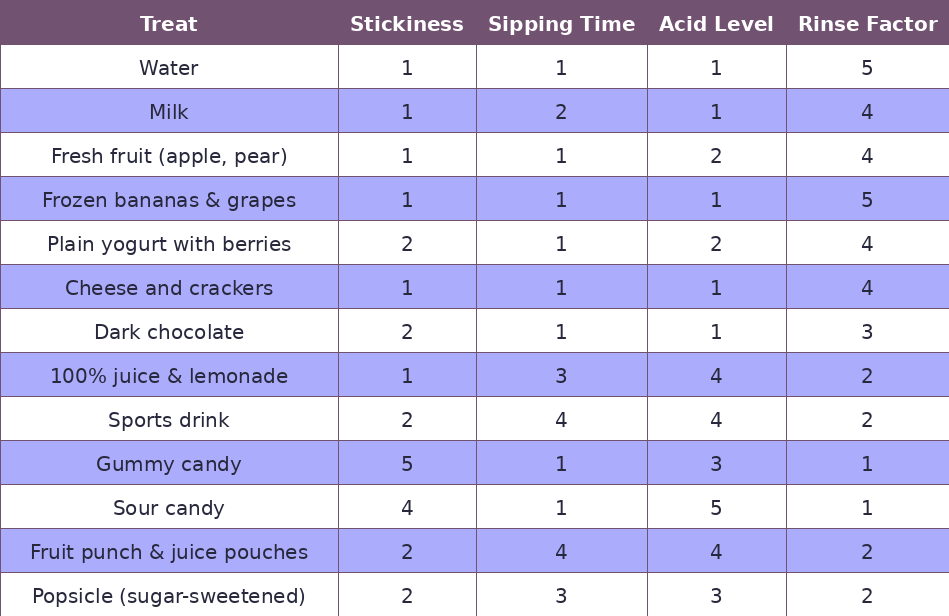
Not all summer snacks cause the same amount of trouble for teeth. This scorecard rates common treats on four factors: stickiness (does it cling to teeth?), sipping time (is it sipped slowly over a long stretch?), acid level (is it sour or acidic?), and rinse factor (does water wash it away easily?). Lower scores are better across the first three categories, and a higher rinse factor score means the food clears away more easily. Use this as a quick guide when you are packing lunches, planning snack breaks, or shopping for the week.
Best Summer Treat Swaps
Frozen Treats
Frozen treats do not have to be off the table. Fruit pops made from blended whole fruit, yogurt pops, or berry slushies made from fresh blended berries give kids something cold and sweet without the concentrated sugar or dye load of store-bought options. Frozen banana slices, frozen grapes, and frozen watermelon chunks are easy to prep, naturally sweet, and genuinely popular with kids. “Nice cream,” made from blended frozen bananas and plain yogurt topped with berries, rounds out a lineup of frozen options that feel indulgent without working against your child’s teeth.
Drinks
Plain water is always the best choice for teeth, and no-sugar sparkling water is a fine option for kids who want something with a little fizz. Milk is also a solid choice since it contains calcium that supports healthy enamel. Juice and lemonade are not off-limits, but they work best when served with a meal rather than sipped slowly throughout the day, and following them with a few sips of water helps rinse acid and sugar away from the tooth surface.
Snacks
Some of the most tooth-friendly snacks for kids are also some of the simplest. Cheese paired with whole grain crackers, apple or pear slices, nuts, vegetables with hummus, boiled eggs, and unsweetened applesauce are all solid choices that do not linger on teeth or create prolonged acid exposure. These kinds of tooth-friendly summer snacks also tend to keep kids full longer than sugary options, which naturally reduces the constant grazing that can wear on enamel over time.
Sweet Treats
When a sweet treat is on the menu, dark chocolate and fresh fruit are the best choices from a dental standpoint because they do not stick to teeth the way caramel, gummies, or hard candies do. Sticky candy is worth avoiding when possible since it clings to grooves in the teeth and keeps sugar in contact with enamel for a long time after eating. Whatever sweet treat your child enjoys, following it with water to rinse away sugar is one of the simplest habits that makes a real difference for healthy teeth throughout the summer.
Common Questions We Hear
Are popsicles bad for teeth?
Not all popsicles are bad, but most store-bought versions are made with added sugar and artificial dye. When enjoyed slowly over 10 to 20 minutes, it leads to extended sugar exposure, which is harmful for teeth over time. Homemade popsicles made from blended fruit, plain yogurt, or coconut water are a much friendlier swap. If your child does enjoy a store-bought pop, following it with water helps rinse the teeth.
Is a sugar-free popsicle safe?
While Sugar-free popsicles eliminate one concern, they may introduce another. Wide sugar-free varieties still contain citric acid, which can soften enamel after repeated exposure. They are generally a better option than sugar-sweetened versions, but are not entirely without risk, especially if your child eats them frequently. It’s important to follow any acidic food or drink with plain water to reduce the risk of tooth damage.
What is the best drink for teeth in summer?
Plain water is always the best choice for teeth, but especially in summer when kids are active and snacking more often. Water rinses away food particles and sugar, supports saliva production, and does not introduce acid or sugar to the tooth surface. Milk is also a good option. Sports drinks and juice, even 100% juice, are best to limit to mealtimes rather than being sipped on throughout the day.
How can I reduce cavities when my child is at camp all day?
- Send your child with a water bottle and make plain water the default drink during the day.
- Pack snacks that do not stick to teeth and are not highly acidic, such as cheese, whole grain crackers, apples, or nuts.
- Talk with your child about rinsing with water after eating if they cannot brush.
- Try to save sweeter treats for home, where you have more control over timing and follow-up habits.
What if my child snacks constantly?
Frequent snacking is one of the biggest contributors to cavities in kids because it doesn’t allow teeth to fully recover between acid exposures. If your child tends to graze, try scheduled snack times rather than allowing all-day access. It also helps to choose snacks that clear away from teeth more easily, like apples, cheese, or vegetables to reduce the overall impact. When kids do snack, make sure they drink water alongside or after the snack to give their teeth a simple rinse.
What is a healthy lunch to pack for camp?
A good camp lunch keeps kids full, does not require refrigeration for every component, and does not leave sugary residue sitting on teeth all afternoon. Good options include cheese with whole grain crackers, a boiled egg, apple or pear slices, vegetables with a small container of hummus, and a bottle of water. If you want to include something sweet, a small piece of dark chocolate or some unsweetened applesauce are good low-sugar options.
Comments are closed.